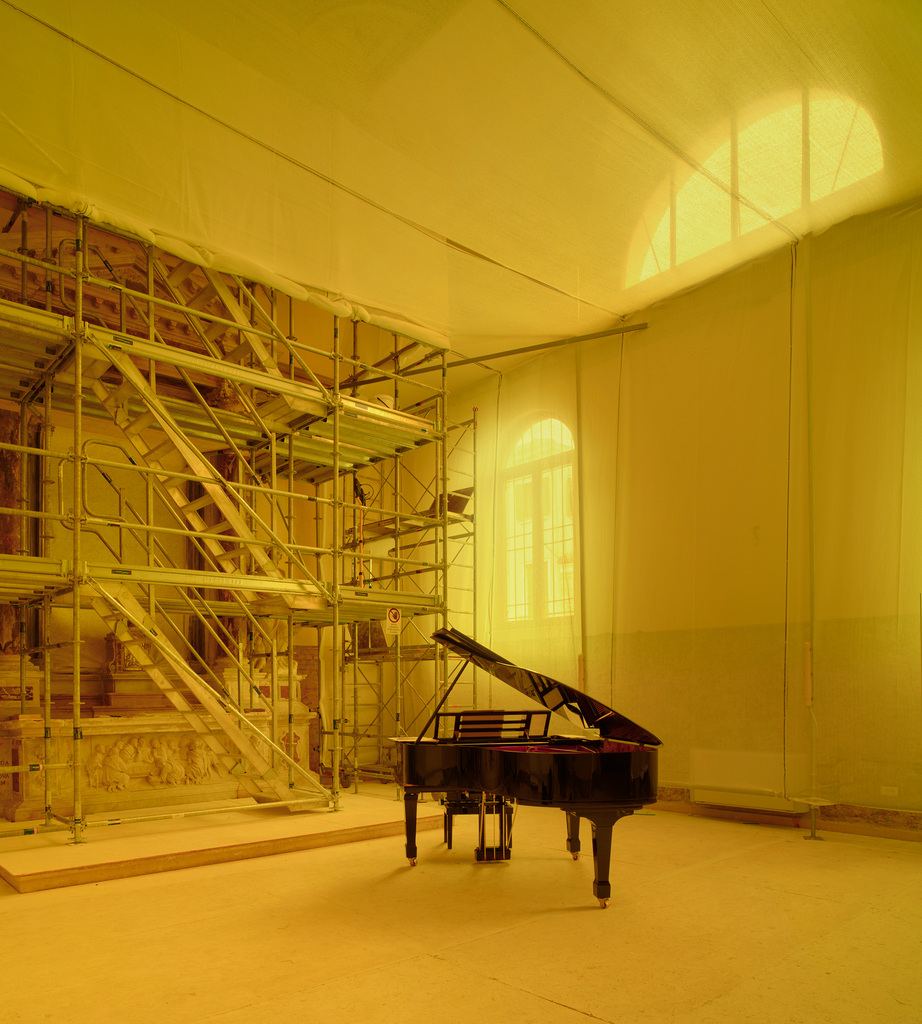
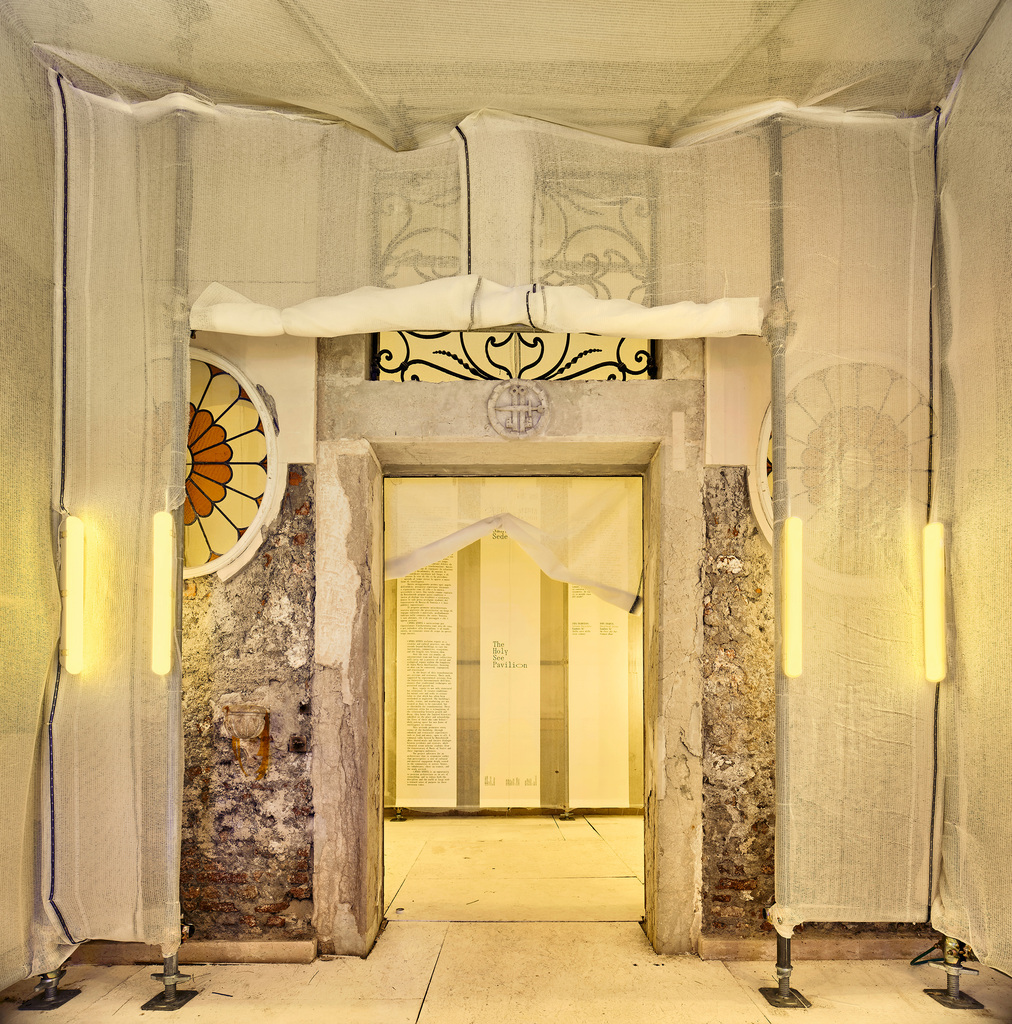
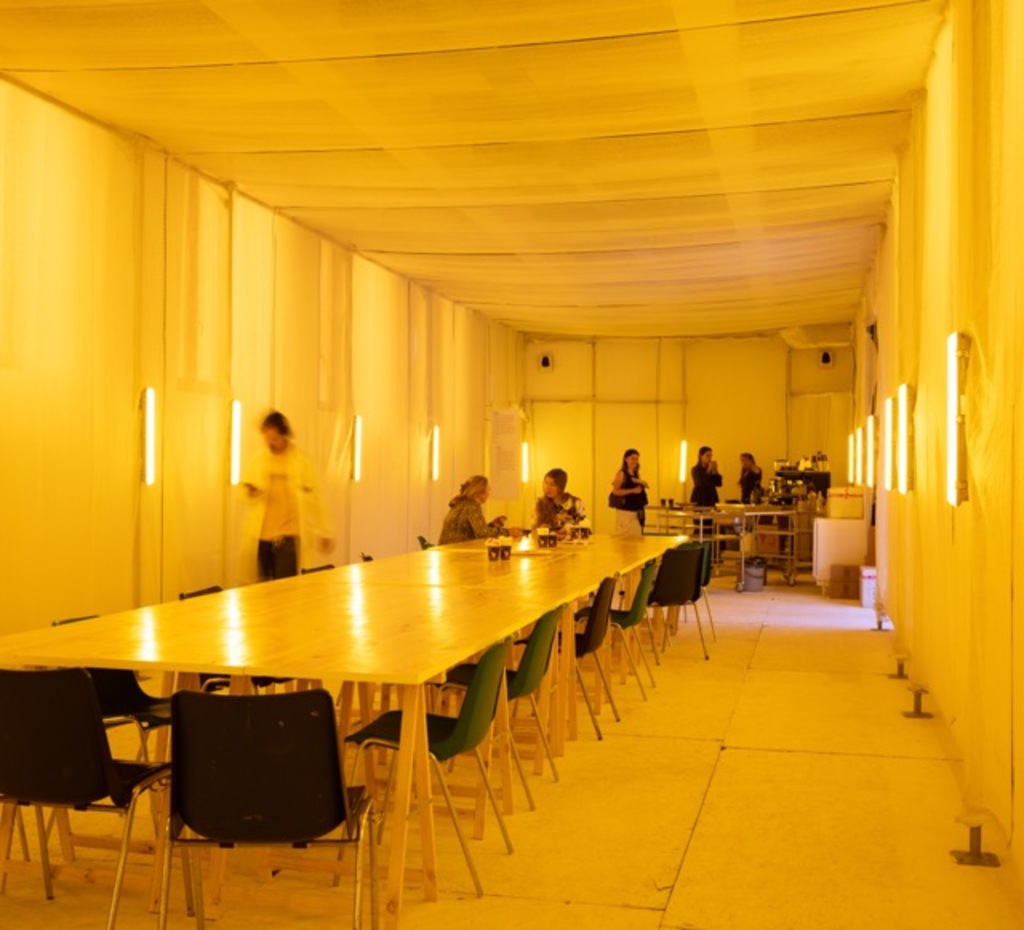
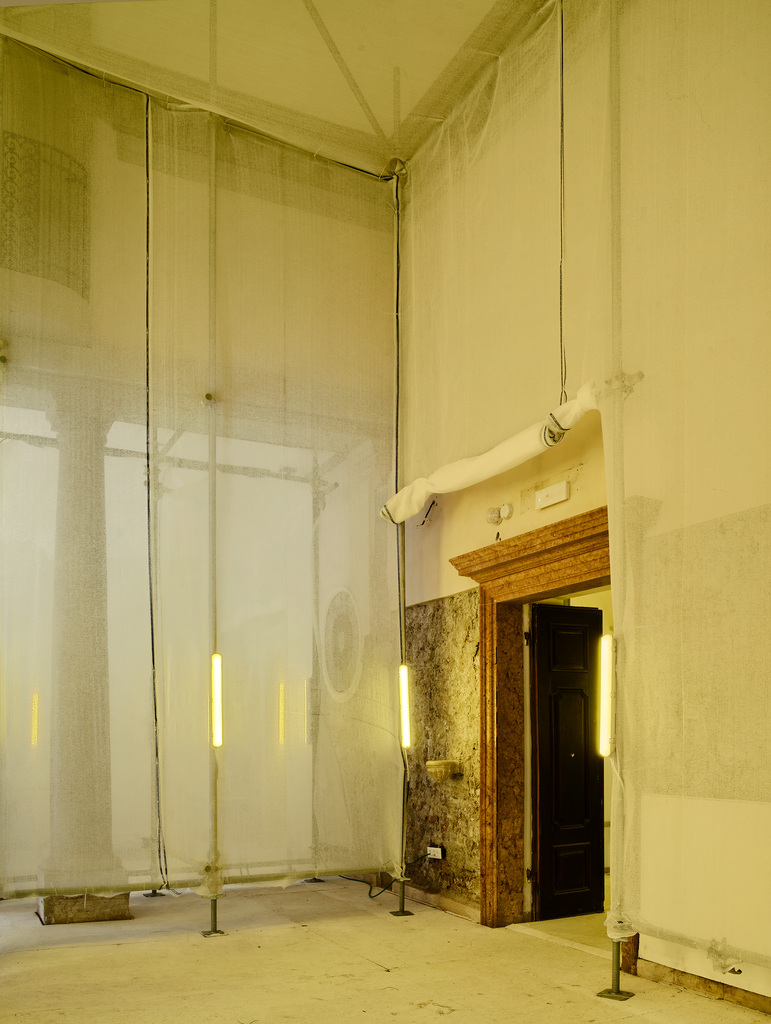
Opera Aperta proposes an architecture in flux—a living practice of repair and collective care. In a moment of ecological precarity and accelerated consumption, the project stands as an act of resistance against cycles of obsolescence and the conflation of innovation with newness.
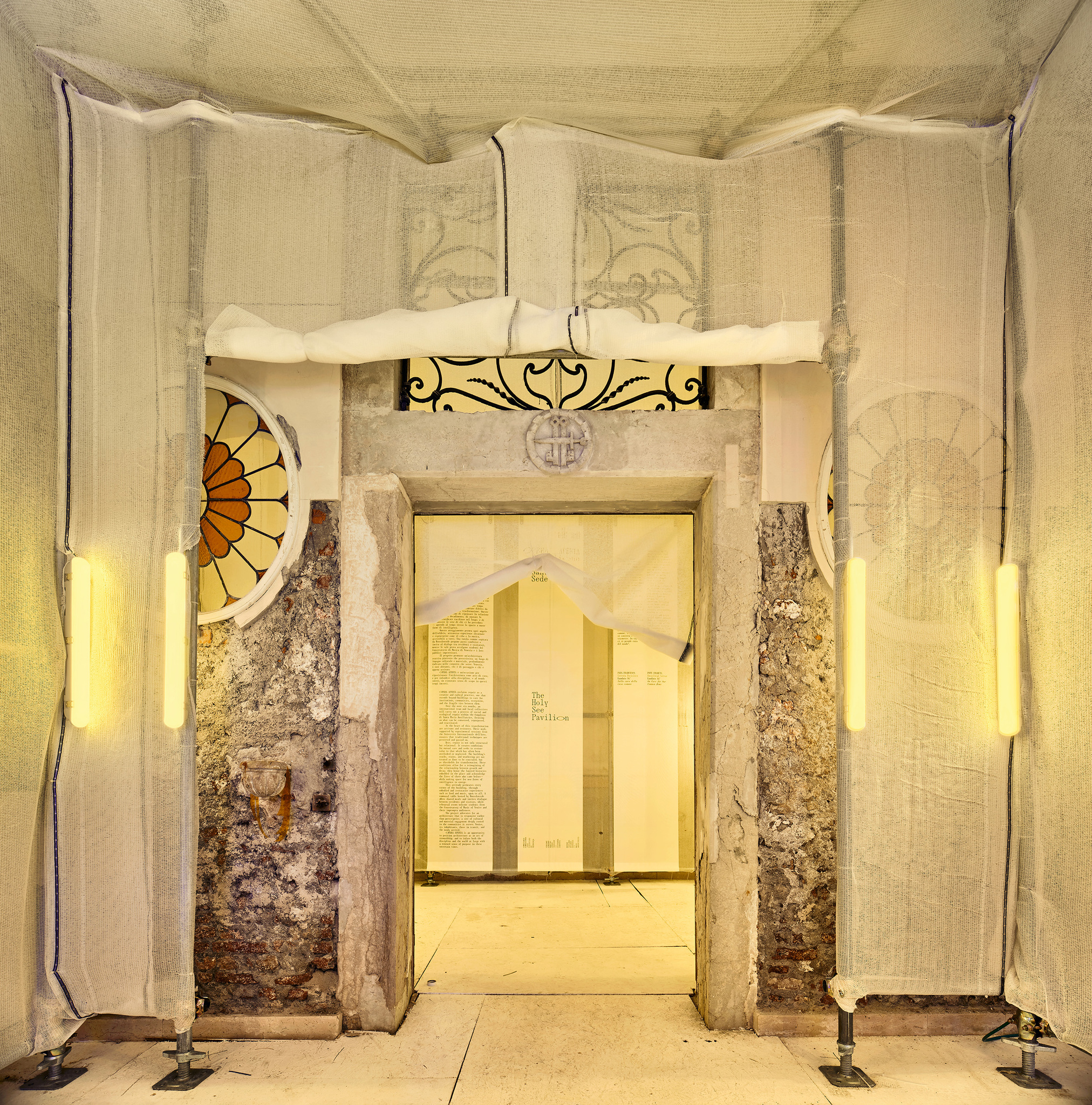
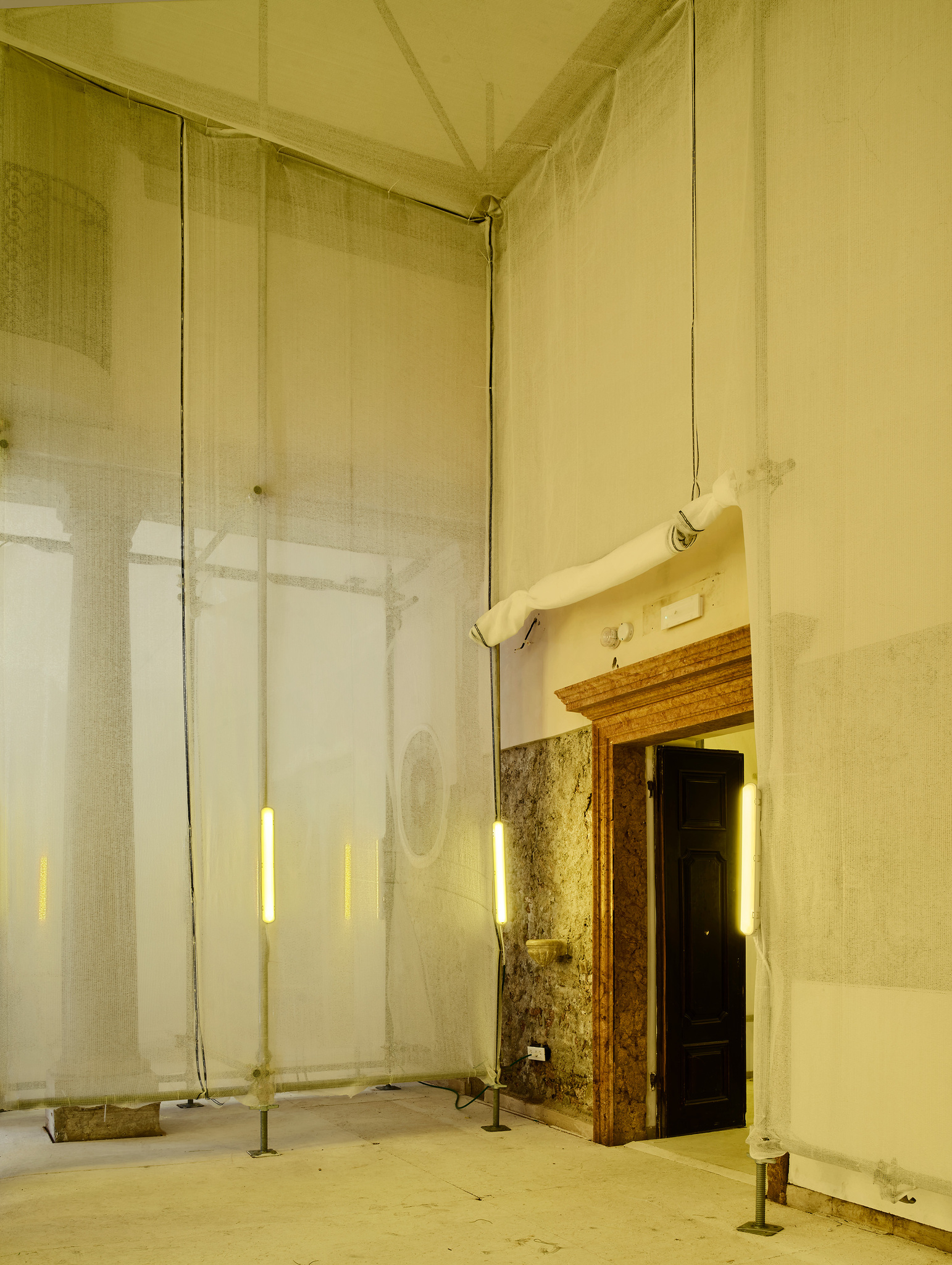
Over the course of six months, this project will breathe new life into an existing structure, shifting attention to what already exists, to what can be maintained, repurposed, and reactivated. It asserts that architecture can be a practice of stewardship rather than extraction.
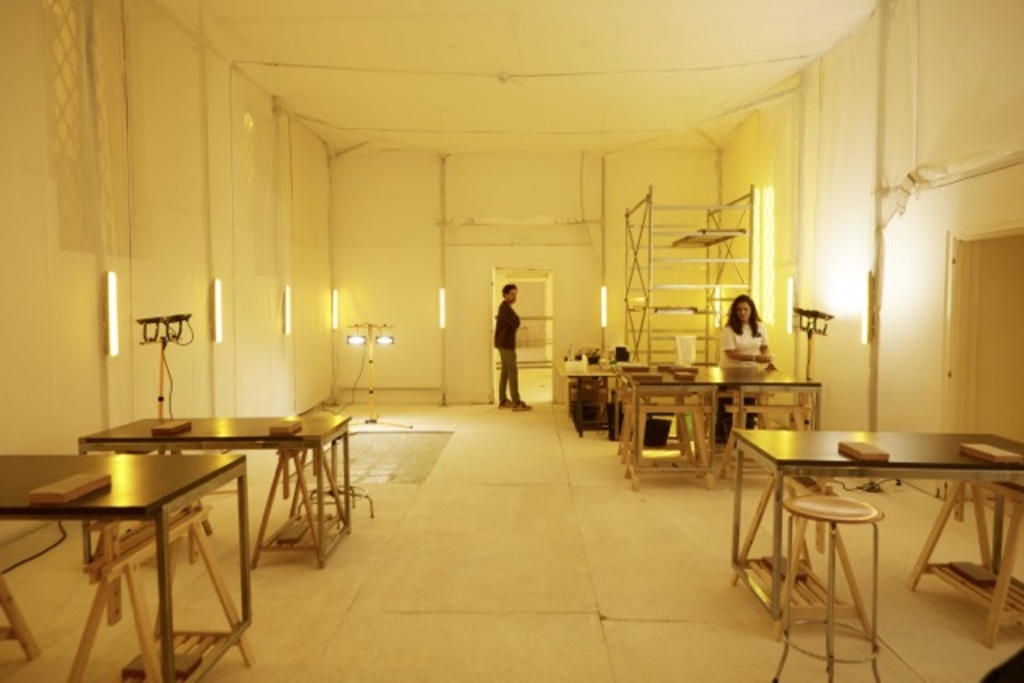
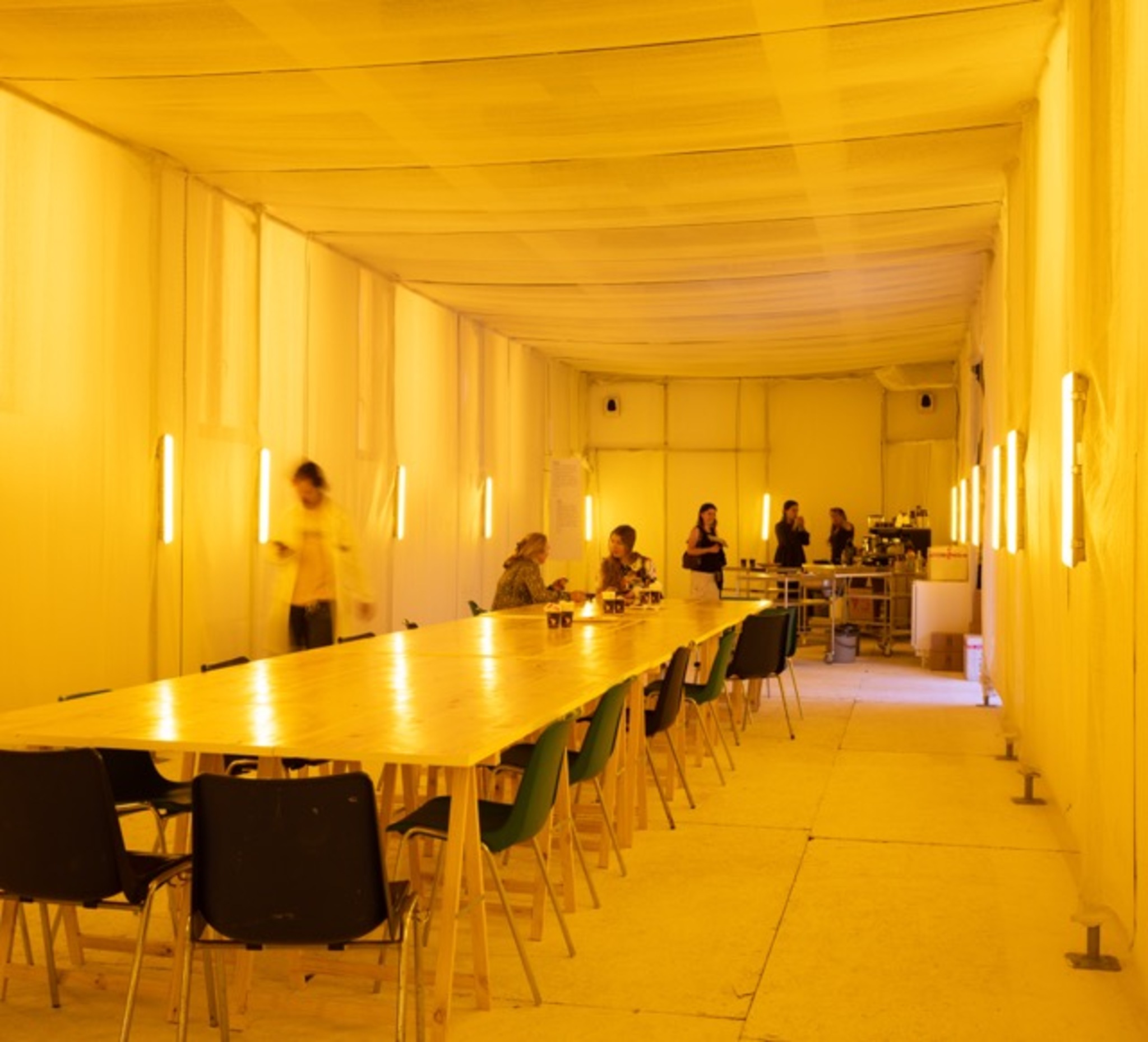
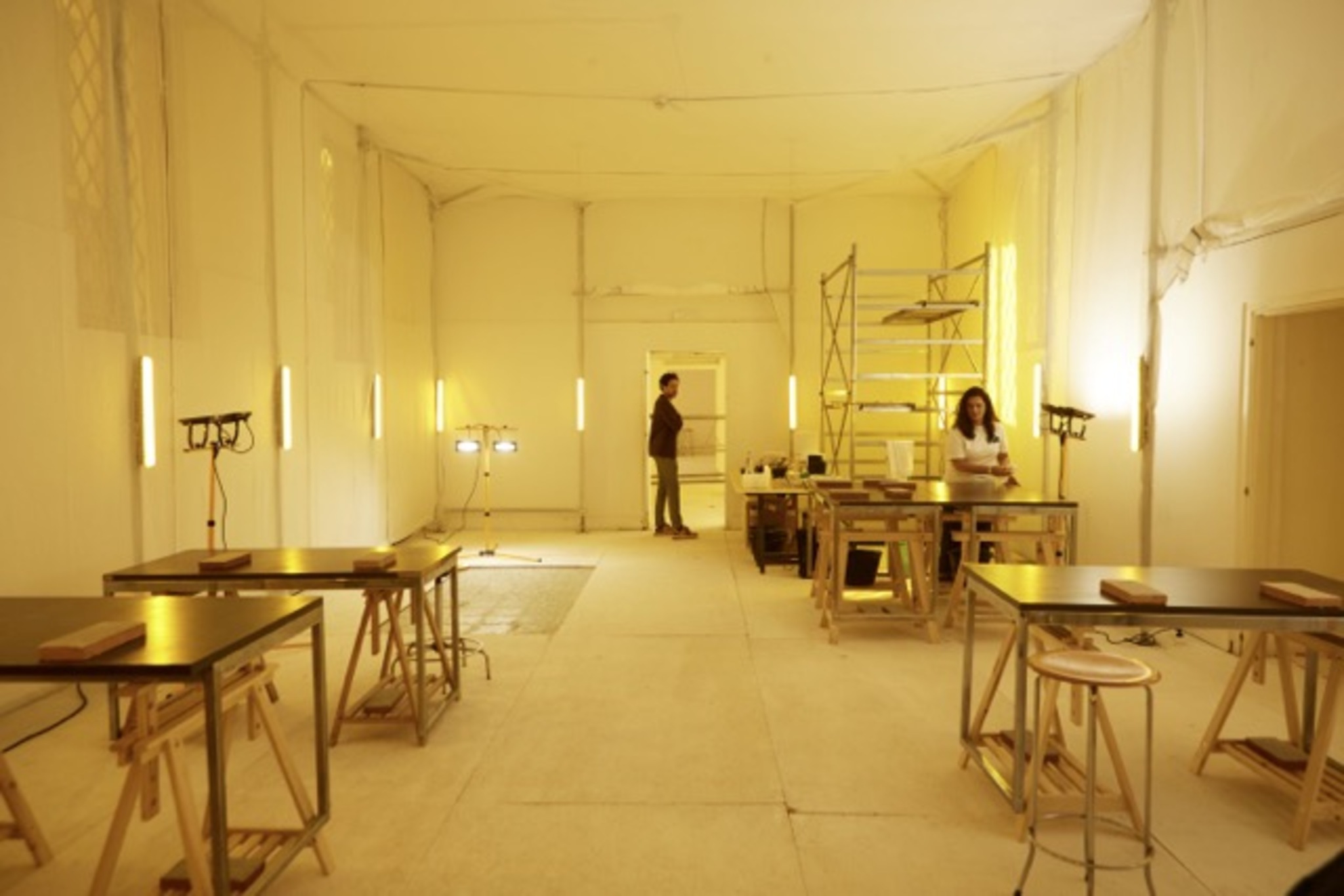
Opera Aperta is a call to value and preserve the built environment and its social fabric, to repair and adapt rather than replace, and to approach architecture as an act of care that extends beyond buildings to encompass communities and ecosystems. Repair unfolds at multiple scales, through diverse constituencies, and via entangled forms of labor. Local artisans, whose crafts are at risk of disappearing, will guide the transformation, supported by individuals eager to learn and preserve these skills, ensuring that their knowledge remains active. Their work will be accompanied by intergenerational collaborations, creating a dynamic space where activities are organized and the space is collectively managed. A communal kitchen will provide a setting for shared meals, informal gatherings, and conversations between Biennale visitors and local residents.
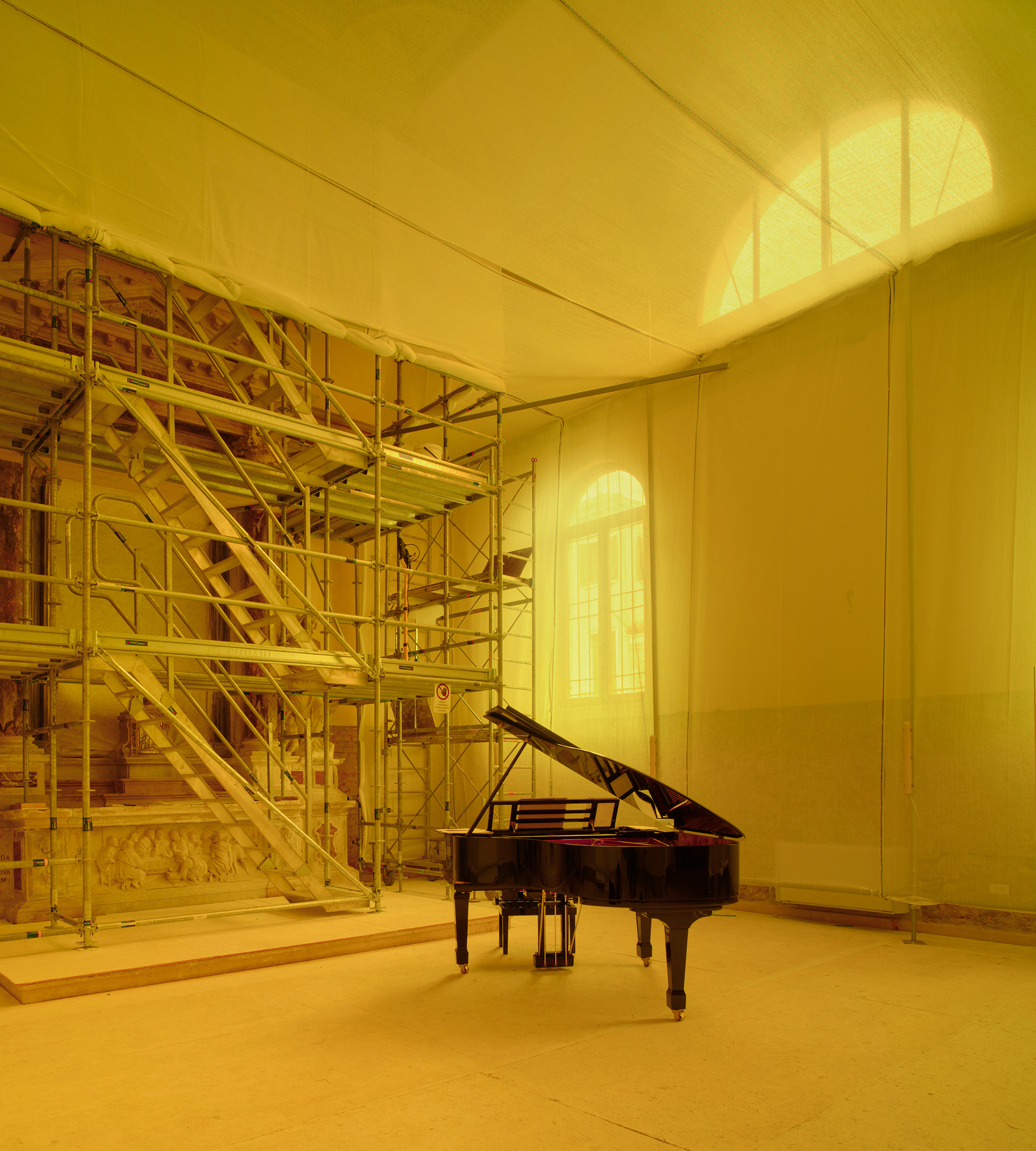
Opera Aperta recognizes buildings not as fixed entities but as evolving ecosystems shaped by social and material legacies. Here, architecture operates as an infrastructure for encounters, dissolving boundaries between permanence and ephemerality. The renovation aims to provide a space for local musicians, offering rehearsal rooms, storage, and a rental service for musical instruments. Yet its significance lies not only in its programmatic function but in its social metabolism—a place for cultural exchange and social connection.
Opera Aperta is not a finished work; it remains unfinished by design. It is a site of continuous negotiation, adaptation, and engagement, deeply rooted in the communities it serves. The project offers a vision of architecture—one that values the existing world and those who inhabit it.